Dr. Girish Sawakare
Spine Surgeon – SpineSei | Specialised in minimally invasive cervical and lumbar spine procedures
What we treat
Cervical Conditions
The cervical spine comprises seven vertebrae supporting your head while enabling its full range of motion. When degeneration, injury, or compression occurs, it can cause localised neck pain or symptoms radiating into the arms and hands.
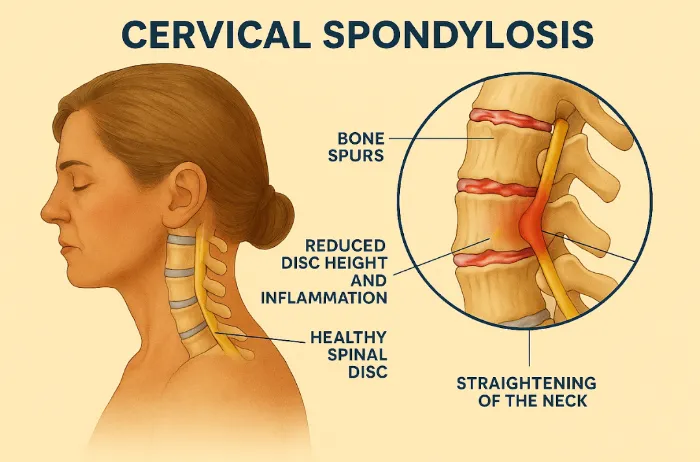
Cervical Spondylosis
Age-related wear of cervical discs and vertebrae causing bone spurs, disc narrowing, and stiffness.
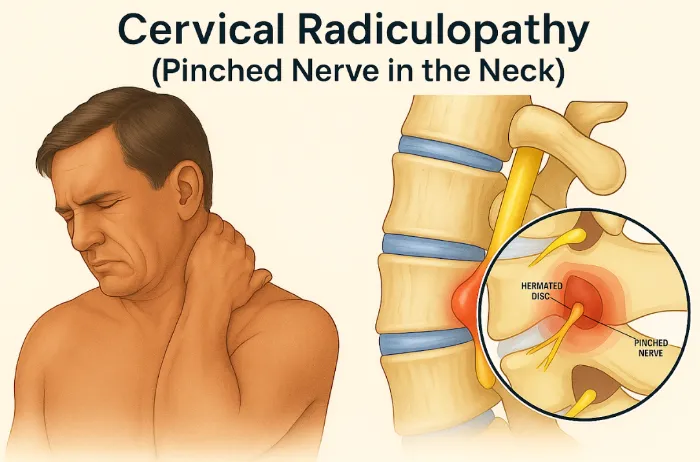
Cervical Radiculopathy
Pinched nerve root causing sharp pain, numbness, or tingling radiating into the shoulder, arm, or hand.
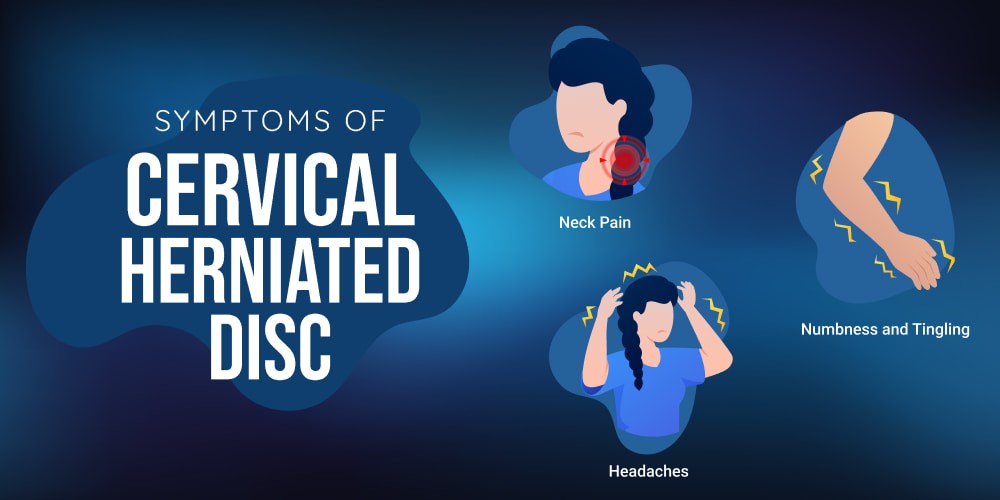
Cervical Disc Herniation
Slipped or bulging disc pressing on spinal nerves, often worsened by bending or prolonged sitting.
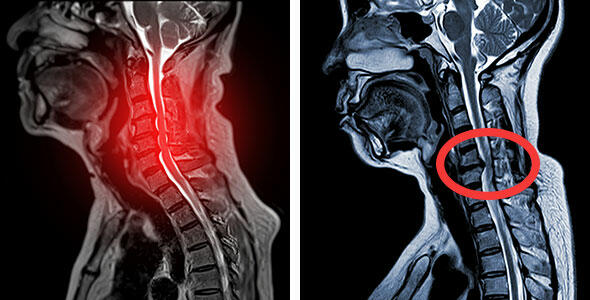
Spinal cord compression leading to hand clumsiness, balance issues, and possible gait disturbance.
Cervical Myelopathy
Neck Stiffness & Torticollis
Muscle spasm or structural changes causing limited neck rotation and persistent stiffness.
Cervical Stenosis
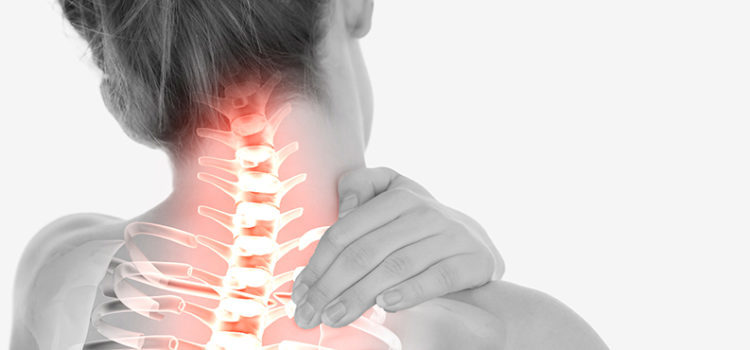
Narrowing of the spinal canal reducing space for the cord and nerve roots, progressing over time.
Recognise your symptoms
Common Signs
Neck pain & stiffnessRadiating arm painNumbness in fingersShoulder blade painHeadaches at base of skullWeakness in gripTingling in handsBalance difficultyElectric-shock sensation on bendingPoor fine motor control
Our approach
Treatment Pathway
Dr. Sawakare follows a structured, conservative-first protocol — surgery is recommended only when non-surgical care fails or when neurological compromise is present.
Step 01
Clinical Evaluation
Detailed history, neurological examination, and assessment of symptom severity and duration.
Step 02
Imaging & Diagnosis
MRI, CT scan, or X-ray to identify disc pathology, nerve compression, or canal narrowing.
Step 03
Conservative Care
Physiotherapy, cervical traction, pain medications, nerve blocks, and ergonomic guidance.
Step 04
Interventional Options
Epidural steroid injections or nerve root blocks for targeted relief when oral therapy is insufficient.
Step 05
Surgical Planning
If indicated, minimally invasive or open surgery selected based on pathology and patient profile.
Step 06
Rehabilitation
Post-procedure physiotherapy and activity progression to restore strength and full function.
Surgical Procedures for Cervical Conditions
When surgery is necessary, Dr. Sawakare offers precise, evidence-based procedures with a focus on minimal tissue disruption and faster recovery.
1 ACDF – Anterior Cervical Discectomy & Fusion
Removal of the herniated disc from the front of the neck followed by fusion using a cage and plate — the gold standard for cervical radiculopathy and myelopathy.
2 Cervical Disc Replacement (Arthroplasty)
An artificial disc replaces the damaged one, preserving motion at the treated level and reducing stress on adjacent discs compared to fusion.
3 Posterior Cervical Laminectomy & Fusion
Removal of bone from the back of the neck to decompress the spinal cord in multilevel stenosis or myelopathy.
4 Cervical Foraminotomy
Minimally invasive enlargement of the nerve root exit channel to relieve radiculopathy without fusion, preserving natural neck movement.
5 Laminoplasty
Hinging the lamina open to create more space for the spinal cord — preferred in multilevel cord compression with preserved alignment.
Patient questions
Frequently Asked
Can cervical spondylosis be treated without surgery?›
What is the difference between a pinched nerve and cervical myelopathy?›
How long is recovery after ACDF surgery?›
Is radiating arm pain always from the cervical spine?›
When should I seek urgent consultation for neck pain?›
Book a Cervical Spine Consultation
Dr. Girish Sawakare · SpineSei · In-person & teleconsultation available